



 +94 (0) 31 228 1114
  info@cocopeatcoirmulch.com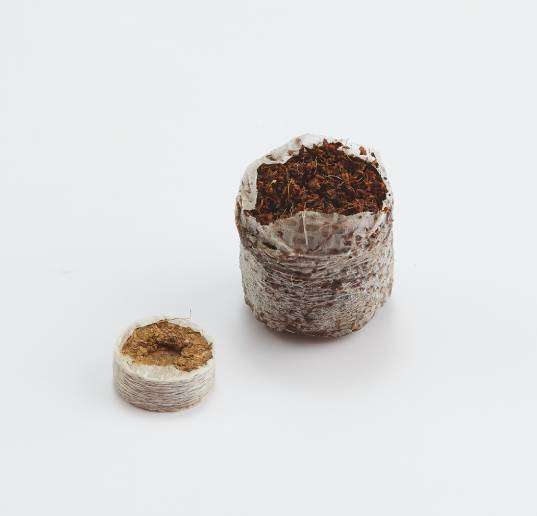

How cocopeat growing media for seedlings Builds Stronger, Faster, and More Resilient Plants
Every profitable crop begins long before harvest. It begins in a quiet nursery room, under soft lights, in neat rows of tiny trays where seeds decide their future.
If seedlings stumble here, the entire season wobbles. If they thrive here, everything that follows becomes easier.
That is why professional nurseries across South Korea, Japan, the USA, Canada, Mexico, the Netherlands, Russia, and Dubai are steadily replacing soil with cocopeat growing media for seedlings. It isn’t a flashy upgrade — it’s a practical one.
Seedlings raised in cocopeat tend to look calmer, steadier, and more uniform. Their roots branch naturally instead of circling in heavy soil. Water moves smoothly through the substrate, avoiding both drought stress and waterlogging. Growth feels consistent rather than erratic.
In Negombo, Sri Lanka — where coconut husks pile up like quiet mountains beside processing yards — companies such as Ceilan Coir Products Export (Pvt) Ltd, working under the brand Coco Peat Coir Mulch, refine raw husk into precisely graded nursery media that travels to greenhouses worldwide.
Here’s the thing: great farming doesn’t start with expensive lights or smart sensors. It starts with healthy roots in a clean medium.
Why nurseries are moving away from soil
Traditional nursery soil carries baggage.
It can be inconsistent from batch to batch.
It may contain weed seeds, fungal spores, or hidden pathogens.
Drainage changes depending on how tightly it’s packed.
Some trays dry out too fast; others stay wet too long.
Seedlings feel this imbalance immediately.
Cocopeat behaves differently.
It is structurally stable, uniform, and predictable.
Every tray looks the same.
Every plug behaves the same.
That consistency is priceless when you are raising tens of thousands — or even millions — of plants.
Let me explain it like this: soil is like cooking with random ingredients; cocopeat is like following a reliable recipe.
Water distributes evenly across the root zone. Tiny root hairs spread outward instead of clumping in wet pockets. Oxygen flows freely, which keeps young plants from suffocating. Growth becomes smoother, not spiky.
Many growers also appreciate that cocopeat is inert. It doesn’t fight back chemically the way soil sometimes does. Nutrients are delivered through liquid feeding, giving nurseries full control over plant nutrition from day one.
According to global coconut research organizations similar to the International Coconut Community, husk-based substrates are among the most sustainable replacements for traditional peat, reducing environmental strain while maintaining excellent plant performance.
If you want to understand the raw material behind all this, the journey begins with the humble Coconut, and the fiber extracted from its husk — known as Coir — explains why Sri Lanka became such a powerhouse in this industry. You can also explore how this fits into the broader Sri Lankan Coir economy and how Coconut Coir functions in modern agriculture.
cocopeat growing media for seedlings — one smart system, many advantages
Most professional nurseries follow a simple but powerful workflow:
- Seed stage: fine-textured cocopeat plugs
- Early growth: slightly coarser cocopeat trays
- Transplant stage: plants move into grow bags or larger containers
This continuity matters more than many people realize. When seedlings move from soil to cocopeat (or vice versa), roots often suffer shock. But when the entire life cycle happens inside coco-based media, roots stay familiar with their environment.
Young plants raised in cocopeat typically show:
- Stronger root branching
- Deeper green leaves
- More upright stems
- Faster recovery after handling
- Better tolerance to irrigation adjustments
One nursery manager in Canada put it bluntly:
“I used this as like this for my tomato seedlings — pure buffered cocopeat in plug trays — and we saw noticeably fewer transplant losses compared to our old soil mix.”
That kind of feedback is common across commercial operations.
Texture matters more than people think
Not all cocopeat is the same. Particle size changes everything.
- Fine cocopeat suits tiny seeds like lettuce, herbs, and ornamentals.
- Medium cocopeat works well for tomatoes, peppers, and cucumbers.
- Coarse cocopeat with chips helps airflow for larger seedlings or humid climates.
Good exporters grade and wash their material carefully so growers don’t receive dusty, inconsistent batches.
Some nurseries purchase compressed Coco peat Bale products and hydrate them on-site, adjusting texture to their exact needs. Others order ready-made nursery trays filled with pre-buffered cocopeat to save time and labor.
Either way, control stays in the grower’s hands.
Water management — where cocopeat really shines
Overwatering is the silent killer of seedlings.
In soil, excess water can linger at the bottom of trays, drowning roots. In cocopeat, drainage happens faster while still retaining enough moisture for steady growth.
Think of it like this: cocopeat sips water instead of drowning in it.
Drip or overhead mist systems pair beautifully with cocopeat. Moisture spreads evenly across the tray, reducing dry edges and soggy centers — a classic soil problem.
In hot climates like Mexico or Dubai, this balance becomes especially valuable. Seedlings stay hydrated without turning weak or leggy.
Nutrition control from day one
Because cocopeat is inert, nurseries design their own feeding programs rather than relying on unpredictable soil nutrients.
Most operations start with a mild nutrient solution, gradually increasing strength as seedlings mature. EC levels can be fine-tuned precisely.
Growers often describe this as “teaching plants to eat properly from birth.”
Healthy early nutrition leads to stronger stems, better leaf development, and deeper root systems — all of which pay dividends later in production.
Many nurseries eventually transplant these seedlings into structured Coco Peat Grow Bags, creating a seamless system from nursery to harvest.
From nursery to greenhouse — a smooth transition
One of cocopeat’s biggest strengths is continuity.
A tomato seedling raised in cocopeat moves easily into grow bags for tomato without major root adjustment. The texture feels familiar. The moisture behavior remains consistent. Stress stays low.
Some farms also integrate open top planter bags for flexible layouts, especially in mixed-crop greenhouses or experimental setups.
This continuity reduces transplant shock, shortens recovery time, and keeps growth momentum steady — which often translates into earlier harvest windows.
A Japanese grower once told us:
“Our customers are really happy with our produce grown from cocopeat-raised seedlings, and they said the plants looked healthier and more uniform than before.”
That kind of confidence begins in the nursery.
Why Sri Lanka keeps leading the supply chain
Sri Lanka didn’t become a global coir hub overnight. Warm climate, mature coconuts, and generations of processing know-how came together naturally along the western coast.
Around Negombo, husks are soaked, cleaned, milled, graded, and buffered before export. Quality checks happen at multiple stages. Consistency is treated as sacred.
International buyers often prefer Sri Lankan suppliers because they deliver reliable texture, low salinity, and stable buffering — three things nurseries depend on.
The supply chain also supports rural livelihoods, connecting small coconut farmers with high-tech greenhouses across the world. Tradition quietly feeds innovation.
Crop-specific benefits of cocopeat-raised seedlings
Tomatoes
Stronger early roots lead to better nutrient uptake later. Plants establish faster in grow bags and show fewer stress symptoms.
Bell peppers & capsicum
Seedlings develop sturdy stems that resist bending or breaking during handling.
Cucumbers
Even moisture in cocopeat reduces early root rot risk, a common nursery problem.
Melons
Warm, airy media supports rapid root expansion without water stress.
Leafy greens
Fast germination and uniform growth make scheduling easier for commercial farms.
Across every crop, the theme is the same: steadier starts create steadier seasons.
Loose bales vs pre-filled trays — what nurseries choose
Some nurseries love flexibility and buy compressed cocopeat bales, hydrating and blending media themselves.
Others prefer pre-filled trays to minimize labor, contamination risk, and inconsistency.
There is no single “right” choice — only what fits your operation best.
What rarely changes is the base material: clean, well-buffered cocopeat.
A simple grower-friendly comparison
Cocopeat vs Peat vs Soil (nursery view)
| Feature | Cocopeat | Peat Moss | Field Soil |
| Water balance | Excellent | Good | Variable |
| Root aeration | Very high | Moderate | Often poor |
| Disease risk | Low | Low | Higher |
| Sustainability | Very high | Debated | Mixed |
| Consistency | Strong | Strong | Unpredictable |
This table works well as a visual infographic for training sessions or nursery staff meetings.
What growers actually say
A Canadian greenhouse manager shared recently:
“I used this as like this for my pepper seedlings — pure cocopeat plugs — and transplant survival jumped noticeably in the first year.”
A berry exporter in Japan added:
“our customers are really happy with our strawberries grown from cocopeat-raised plants, and they said the uniformity was far better than before.”
These are not isolated stories. They reflect a broader shift happening globally.
Five common questions about cocopeat growing media for seedlings
- Is cocopeat good for all types of seeds?
Yes — from lettuce and herbs to tomatoes, peppers, cucumbers, and berries. Texture just needs to match seed size. - Does cocopeat need fertilizer?
Yes. Because it is inert, nutrients must be supplied through liquid feeding. - Can cocopeat replace soil in nurseries completely?
Absolutely. Many professional nurseries now use 100% cocopeat systems. - Is cocopeat safe from pests and diseases?
It is much cleaner than field soil and reduces soil-borne disease risks significantly. - Why do so many growers source cocopeat from Sri Lanka?
Because of consistent quality, low salinity, and long-standing processing expertise.
Refer Cocopeat Coir Mulch Cocopeat Disk for seeding
