


 +94 (0) 31 228 1114
  info@cocopeatcoirmulch.com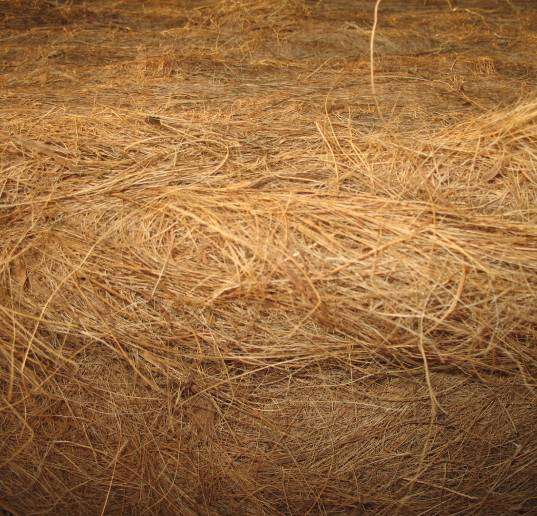

6 Ways Leading Coir Fiber Exporters Are Reshaping Modern Greenhouse Farming
6 Ways Leading Coir Fiber Exporters Are Reshaping Modern Greenhouse Farming
Greenhouse farming feels steadier now — more controlled, less guesswork — and a big reason is the rise of Coir fiber exporters supplying structured coconut-based growing media to commercial growers across South Korea, Japan, the USA, Canada, Mexico, the Netherlands, Russia, and Dubai. Instead of battling soil problems, growers are moving toward clean, predictable substrates made from coconut husk. Tomatoes grow more evenly. Cucumbers breathe better. Strawberries develop cleaner roots. Leafy greens cycle faster. None of this is coincidence. In Negombo, Sri Lanka, companies such as Ceilan Coir Products Export (Pvt) Ltd process coconut husks into high-grade agricultural substrates that travel worldwide. What begins as farm waste becomes a core input for modern food production. You know what? That shift from “waste to wealth” is quietly powerful.
Why commercial farms trust Coir fiber exporters
Traditional soil inside greenhouses often carries salt buildup, pests, and hidden pathogens.
Drainage can be inconsistent.
Roots get stressed.
Yields become unpredictable.
Coir changes that equation.
Cocopeat holds water evenly while keeping plenty of oxygen around the roots.
Nutrients are delivered through drip irrigation, so growers control exactly what the plant receives.
Think of soil as a bumpy backroad — coir is a smooth highway.
Many large buyers prefer Coir-based Product Exporters in Sri Lanka because quality is consistent from shipment to shipment, which matters enormously for commercial farming. Beyond agriculture, coir is also used for erosion control through Coir Geo Textiles, proving how versatile this material really is. If you want to understand the origin of this material, the story starts with the Coconut, and the fiber from its husk — known as Coir — explains why Sri Lanka became a global leader in this trade. You can also read more about the broader Sri Lankan Coir economy.
How coir performs across key crops
Tomatoes:
Growers often rely on structured grow bags for tomato because they maintain even moisture and reduce common disorders like blossom-end rot.
Cucumbers:
High aeration keeps roots healthy while supporting heavy feeding schedules.
Bell peppers & capsicum:
Balanced air-to-water ratio promotes steady vegetative growth before fruiting.
Melons:
Warm, well-drained cocopeat suits melon root systems perfectly.
Leafy greens:
Fast root development shortens crop cycles and improves cleanliness at harvest.
5 FAQs — Coir fiber exporters
- Why do farms prefer coir over soil?
Because it’s cleaner, more predictable, and easier to manage with drip irrigation. - Is coir environmentally friendly?
Yes — it is renewable, biodegradable, and repurposes coconut waste. - Can coir be reused?
Many growers reuse it for a second crop after treatment. - Does coir need buffering?
Quality products are usually pre-buffered with calcium and magnesium. - Why source from Sri Lanka?
Because of consistent raw material quality and long-standing expertise.
