



 +94 (0) 31 228 1114
  info@cocopeatcoirmulch.com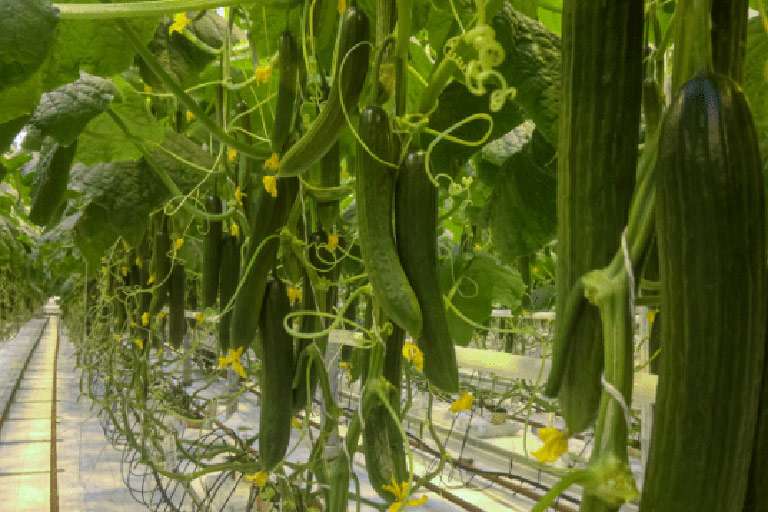

5 Things Commercial Growers Learn After Working With Coco Chips Exporters
Coco chips exporters rarely headline greenhouse conversations. Yet for growers managing tomatoes, cucumbers, berries, or capsicum at scale, coco chips quietly decide whether roots breathe freely—or struggle in silence. At first, chips seem simple. Chunky coir pieces. Add airflow. Move on. But after a few crop cycles, growers realize something else is happening beneath the surface. Here’s what they learn.
Air Is the Real Currency in the Root Zone
Water gets all the attention. Air does the real work. Coco chips create space—literal breathing room—inside the growing media. When blended correctly, they prevent compaction and keep oxygen available during heavy irrigation cycles. Growers running greenhouse tomato growing media systems often introduce chips beneath bags or slabs to stabilize root temperatures and reduce water stagnation. The effect isn’t dramatic overnight. It’s steady. And tomatoes respond well to steady. When paired with structured Coco Peat Grow Bags, chips help maintain consistent moisture gradients without suffocating roots during peak fruit load.

Not All Chips Stay Chips
This is where experience separates optimism from reality. Low-quality chips break down faster than expected. They soften, collapse, and turn into fines. Air pockets disappear. Drainage slows. Roots complain. Reliable Coco chips exporters focus on husk maturity and proper washing—not because it sounds good, but because breakdown timing matters. Chips should stay intact through the full crop cycle, not just the first few months. Growers in humid regions like Japan and the Netherlands feel this difference quickly. High humidity magnifies any weakness in structure.
Choosing Coco Chips for Different Crops
Smaller chips hold more moisture. Larger chips improve airflow. Sounds obvious—but crop behavior complicates the choice. Berry growers prefer larger chips to reduce crown moisture and disease pressure. Tomato growers often use medium chips to balance airflow without drying the root zone too aggressively. When chips sit beneath grow bags for tomato, size consistency becomes critical. Uneven grading creates uneven roots. Plants notice. Yield follows. Understanding the fiber itself helps explain why grading matters so much. Even a basic overview of coir shows how fiber length and strength influence long-term structure.
Chips Change Irrigation Behavior—Quietly
Growers don’t always expect this. Once coco chips enter the system, irrigation timing shifts. Water moves faster. Drainage improves. Roots access oxygen sooner after each cycle. Some growers adjust schedules slightly. Others don’t—but still notice reduced root stress. That’s the subtle power of chips when sourced from experienced exporters. This is especially effective when chips are used alongside Cocopeat Grow Cubes during early stages, guiding roots downward before they spread laterally.
Origin Still Shapes Performance
Coco chips are not immune to geography.
Chips produced close to coconut plantations maintain fiber resilience. Less storage. Less degradation. Better elasticity under compression.
Sri Lanka’s long-standing position among Coir-based Product Exporters in Sri Lanka reflects this advantage. Proximity to raw material allows tighter quality control across batches.
Even the coconut itself plays a role. Husk maturity—something explained simply in resources like coconut—affects how long chips resist breakdown under greenhouse conditions.
Frequently Asked Questions
- What are coco chips used for in greenhouses?
They improve airflow, reduce compaction, and help regulate moisture in the root zone.
- Are coco chips suitable for tomatoes?
Yes. When properly graded, they support oxygen flow and stabilize root temperatures.
- Do coco chips replace cocopeat?
No. They complement cocopeat by improving structure rather than holding nutrients.
- How long do coco chips last in a crop cycle?
High-quality chips typically remain stable for the full cycle without breaking down.
- Does chip size affect plant performance?
Yes. Different crops respond better to specific chip sizes depending on moisture and airflow needs.
