



 +94 (0) 31 228 1114
  info@cocopeatcoirmulch.com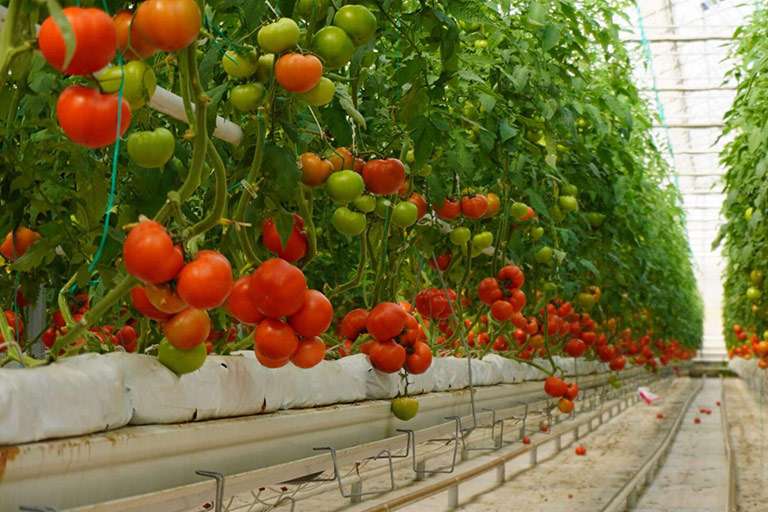

8 Hard Truths Growers Learn About Greenhouse Tomato Growing Media
Greenhouse tomato growing media looks simple—until tomatoes start reacting. What works beautifully for lettuce suddenly feels unstable. What held moisture last season drains too fast now. And growers, especially those running commercial houses in the USA, Japan, or Russia, realize something uncomfortable: tomatoes expose weaknesses quickly. They don’t wait. They respond immediately. Here are the realities growers tend to learn the hard way—and remember for good.
Tomatoes Punish Inconsistency
Tomatoes are generous yielders, but they’re strict tenants. Small changes in EC, uneven moisture zones, or inconsistent air pockets trigger stress faster than most crops. That’s why many commercial operations move away from improvised substrates and lean toward cocopeat-based systems sourced through experienced Cocopeat Grow bag Exporters. Media uniformity across shipments becomes non-negotiable. A strong first container means little if the second behaves differently.
Water Holding Isn’t the Same as Water Control
Cocopeat holds water well. Everyone knows that. What growers learn later is that release matters more than retention. Tomato roots need moisture without stagnation, especially during heavy fruiting phases. Structured Coco Peat Grow Bags balance capillary movement and drainage more predictably than loose fills. Growers notice steadier root temperatures and fewer irrigation corrections—small wins that stack up over long cycles.
Why Starting Media Shapes Final Yield
Tomato roots make decisions early. Direction. Density. Spread. That’s why many professional growers pair their bags with Cocopeat Grow Cubes that hydrate evenly and resist early compaction. When roots exit the cube cleanly and enter the bag without circling, plants establish faster. Once that transition goes wrong, no nutrient recipe fully fixes it later. Growers know this. They just wish they’d known sooner.
Coco Chips Quietly Save Root Zones
Tomato greenhouses generate heat. Lots of it. Coco chips, when blended correctly beneath or within bags, improve airflow and reduce thermal stress near the lower root zone. This approach is common among growers sourcing from specialized Coco chips exporters, particularly in warmer regions like Mexico or Dubai. The chips must be stable, though. Poor-quality material breaks down mid-cycle, reducing oxygen and causing root fatigue. Processing discipline separates helpful chips from expensive mistakes. Understanding how coir behaves structurally explains why fiber maturity and washing depth matter so much here.
Bag Design Affects Labor, Not Just Plants
Growers rarely talk about this publicly—but they feel it daily. Bag dimensions influence spacing, pruning access, drainage placement, and even worker fatigue. Tomatoes demand attention. Media that fights the system slows everything down. For taller varieties, many operations favor grow bags for tomato designed with deeper profiles, supporting stronger anchoring and steadier nutrient uptake during peak load. It’s not about novelty. It’s about reducing friction.
Buffering Errors Don’t Announce Themselves
They whisper first. Then they shout. Improperly buffered media releases excess potassium early, interfering with calcium uptake. Blossom end rot follows. Growers scramble. Those with experience insist on tested buffering and often match bags with bulk Coco peat Bale from the same source to maintain chemical consistency across the house. It’s quiet discipline. And it pays.
Origin Shapes Repeat Performance
Cocopeat doesn’t behave the same everywhere. Climate, husk maturity, storage time, and processing proximity all influence how media responds months later. Sri Lanka’s long-standing position among Coir-based Product Exporters in Sri Lanka reflects more than volume—it reflects system knowledge built over decades. Even understanding the raw source—the coconut itself—helps explain why some media stays elastic while others collapse under pressure.
Tomatoes Remember Everything
This might sound dramatic. It isn’t. Tomatoes remember early stress, uneven watering, oxygen shortages. The plant may recover visually, but yield tells a quieter story later. That’s why growers eventually stop experimenting and start standardizing. Media becomes infrastructure, not an accessory. And once that mindset sets in, choices get simpler.
Frequently Asked Questions
- Why is cocopeat popular for greenhouse tomatoes?
It balances water retention and airflow, supporting active root zones throughout long production cycles.
- Do tomatoes need different media than leafy greens?
Yes. Tomatoes require deeper, more stable root environments with consistent drainage and oxygen access.
- Are cocopeat grow cubes necessary for tomato production?
They’re not mandatory, but they improve early root structure and reduce transplant stress.
- How do coco chips help tomato roots?
They improve aeration and reduce heat buildup near the lower root zone.
- Does the origin of cocopeat affect tomato yield?
Over time, yes. Processing quality and fiber maturity influence consistency and root health.
