


 +94 (0) 31 228 1114
  info@cocopeatcoirmulch.com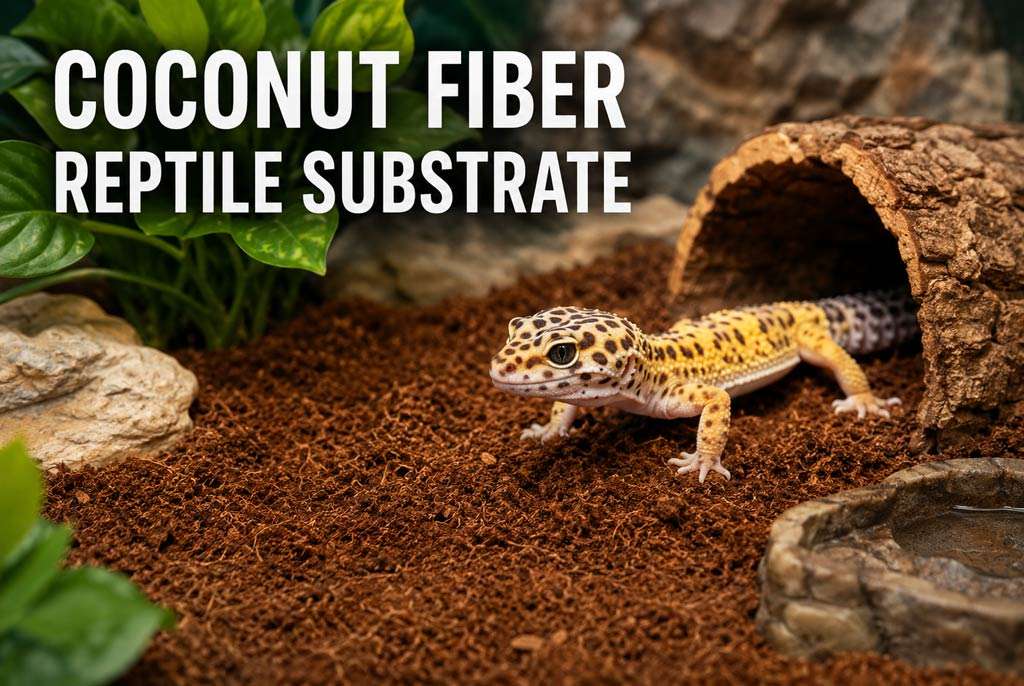

9 Checks to Make Before Sourcing Coconut Fiber Reptile Substrate
9 Checks to Make Before Sourcing Coconut Fiber Reptile Substrate
Walk into any reptile shop and look at what is under the animals. Odds are you will see brown, fibrous, slightly damp bedding in half the enclosures. That material started life as a coconut husk somewhere near the equator, and the market for coconut fiber reptile substrate has grown so quickly that most brands now carry at least three versions of it. Fine, chunky, and something in between.
What surprises people sourcing it for the first time is how much variation hides behind that simple brown appearance. Two pallets can look identical and behave nothing alike once they hit a warm, humid vivarium.
Why Coconut Husk Ended Up in So Many Vivariums
The reason is not marketing. It is physics.
Reptiles and amphibians in captivity need humidity control, and most enclosures swing between too dry and too wet. Coconut fibre absorbs moisture, holds it without turning to sludge, and releases it slowly into the air. That gives keepers a margin of safety they simply do not get from sand or bark alone.
Then there is the behaviour side. Snakes, geckos, tortoises and tarantulas all burrow to some degree. A loose fibrous bedding lets them dig, tunnel and hide the way they would in the wild, which reduces stress. Anyone who has watched a ball python vanish into a deep layer of coco fibre understands why keepers pay for the good stuff.
Odour control matters too, especially for retailers running rows of enclosures. The material breaks down waste liquids fairly well, which keeps enclosures fresher for longer between full cleans.
According to the International Coconut Community, husk-based products such as pith, fibre and chips have become some of the most commercially significant secondary outputs of coconut processing worldwide. The pet trade was not the original target market for any of it. The material simply turned out to suit the job.
Grade and Particle Size Change Everything
Here is where sourcing decisions start mattering.
Fine pith behaves like soil. It holds the most water, packs down over time, and suits high-humidity tropical species. It is also the grade most likely to produce dust if it has not been processed carefully.
Coarse fibre stays open and airy. It resists compaction, dries faster, and works better for species that need moderate humidity without a swampy floor.
Husk chips are chunky pieces, sometimes graded from small nuggets up to pieces the size of a thumbnail. They hold humidity in the enclosure through slow evaporation rather than by soaking the floor. Popular for tortoises, monitors and large boids.
Most commercial products are actually blends. A tropical mix might run seventy percent fine pith with thirty percent chips. A desert-leaning mix flips that ratio. If a supplier cannot tell you the blend ratio, they are probably buying from someone else and reselling.
The Dust Problem Nobody Mentions Until It Arrives
You know what generates the most complaints in this category? Dust.
Fine coconut particles can become airborne when the substrate is dry, and that is a genuine welfare and retail issue. Respiratory irritation in small reptiles is not something any brand wants attached to its packaging. Retailers also hate the cloud that puffs out when a customer opens a bag in store.
Good processing controls this through screening and grading. Poor processing does not. The phrase “dust free” appears on a lot of packaging and means very little without a specification behind it.
Ask for a sieve analysis. Ask what percentage passes through the finest screen. And ask for a sample from actual production rather than a curated presentation pack, because those two things are rarely the same.
Nine Checks for Coconut Fiber Reptile Substrate Before You Place an Order
Run through these before signing anything.
- Blend ratio of pith to fibre to chips, stated as a percentage
- Sieve analysis showing particle distribution and fines content
- Electrical conductivity, since residual salts are undesirable in animal bedding
- Moisture content on loading, which affects weight, mould risk and shelf life
- Expansion ratio for compressed bricks, so you know what the customer actually gets
- Screening for husk fragments, shell pieces and foreign material
- Storage and transit conditions, because damp bales in a hot container grow things
- Packaging format and whether private label printing is available
- Batch consistency records across at least three production runs
Number nine is the one most buyers skip and most regret skipping. Substrate that varies between shipments generates returns, and returns in the pet category damage brand trust faster than almost anything else.
Moisture, Bricks and What Actually Arrives
Compressed bricks dominate the retail shelf for a simple reason. They ship small and expand large, which keeps freight sensible for a bulky low-density product.
But compression introduces variables. A brick pressed at high ratio needs more thorough hydration, and if the end user rushes it, the core stays dense while the outside looks ready. Customers then complain that the product “does not expand properly” when the real issue is soak time.
| Format | Typical expansion | Shelf appeal | Best for |
| 650g compressed brick | 7 to 9 litres | High | Retail single-enclosure use |
| 5kg block | 60 to 70 litres | Medium | Multi-enclosure keepers, breeders |
| Loose bagged fibre | None, ready to use | High | Convenience retail |
| Bulk bale | Varies by press | Low | Repackers and private label |
| Husk chip loose pack | None, ready to use | Medium | Tortoise and large species keepers |
For brands repacking under their own label, bulk formats make far more sense than pre-packed retail units. Loose bulk material such as our coco peat bale range gives repackers the flexibility to press their own bricks or bag loose product to whatever size their shelf plan needs.
Species Needs Are Not All the Same
This is where a generic product loses to a considered one.
High humidity species such as dart frogs, crested geckos and rainforest snakes want fine pith blends that hold moisture consistently. Enclosure humidity in the seventy to ninety percent range is common.
Moderate humidity species including many colubrids and skinks do better with a mixed grade that holds some moisture without staying saturated.
Arid species like bearded dragons and uromastyx need substrates that dry quickly, and pure fine coco fibre is often the wrong call on its own. Blends with chips or sand components work better.
Tortoises are their own category. They burrow, they eat some of what they walk on, and they need a substrate that holds humidity at the burrow level while staying loose on top. Chip blends usually win here.
I have used this grading approach when helping a distributor build a three-product range rather than a single all-purpose bag. Tropical, temperate and arid, each with a stated blend ratio printed on the label. Sales went up because keepers could pick with confidence rather than guessing, and the returns rate dropped in the first quarter.
Bioactive Setups Ask More of the Material
Bioactive enclosures have changed what buyers want. These are living systems with springtails, isopods, live plants and a functioning clean-up crew, all sitting in the substrate layer.
That means the material needs to support plant roots as well as animal comfort. It needs to resist compaction over months rather than weeks. And critically, it needs to be genuinely free of anything that would harm invertebrates, which rules out substrates treated with anything unusual during processing.
Coconut fibre suits this well because it is inert, holds structure through its lignin content, and drains without collapsing. Growers have known this for decades in horticulture. The reptile hobby arrived at the same conclusion from a completely different direction, which is a nice bit of convergence when you think about it.
Packaging and the Private Label Question
Most of this market sells under brand names rather than manufacturer names. Zoo Med, Exo Terra and the rest built recognition, and shops buy the brand.
So for anyone sourcing, the practical questions are about flexibility. Can the supplier press to your brick size? Can they print your artwork? Can they run small first orders while you test the market, then scale when it works?
Suppliers who only sell in fixed formats under their own packaging are a poor fit for this category, no matter how good the material is. Worth establishing early rather than three months into a negotiation.
Sourcing, Traceability and Where It Comes From
Sri Lanka has been processing coconut husk commercially for well over a century, and that history shows up in grading conventions and processing consistency. Most global coir supply comes from Sri Lanka, India, Indonesia, Vietnam and the Philippines, with quality varying considerably between and within those origins.
Ask where the raw husk comes from, how far it travels before processing, and whether the same mill handles every batch. Material collected from many small suppliers and blended tends to vary more than material from a controlled supply chain. Our customers are really happy with how little the product shifts between containers, and one European distributor told us plainly: “The third shipment looked and felt exactly like the first, which is not something I can say about every supplier I have tried.”
If you want the wider picture of what else comes out of a coconut husk beyond bedding, our range as coir-based product exporters in Sri Lanka covers everything from terrarium accessories through to horticultural substrates, all from the same raw material.
Frequently Asked Questions
Is coconut fibre safe for all reptiles?
For most species yes, though grade selection matters. Fine pith suits humid tropical setups, while arid species usually need coarser blends or mixed substrates. The main caution is impaction risk with very fine material for species that feed directly off the enclosure floor, which sensible husbandry addresses through feeding practice.
How often should coconut bedding be replaced?
Spot cleaning daily and a full change every four to eight weeks is typical, though bioactive enclosures with an established clean-up crew can go far longer. Humidity, animal size and enclosure ventilation all shift that timeline.
What is the difference between coco fibre and coco chips for terrariums?
Fibre is the finer pith material that holds water directly and behaves like soil. Chips are chunky husk pieces that release humidity slowly through evaporation. Many keepers layer or blend both, using chips for structure and fibre for moisture retention.
Can coconut substrate be composted after use?
Yes. Once removed from an enclosure it breaks down like any organic material, and many keepers add it to garden beds or compost heaps. That end-of-life route is part of why the material appeals to environmentally minded brands.
What should I check on a bulk sample before ordering?
Look at fines content, smell it for any sourness that suggests damp storage, hydrate a measured amount to confirm expansion, and check for shell fragments by running a handful through your fingers. Those four checks catch most quality problems in under ten minutes.
