


 +94 (0) 31 228 1114
  info@cocopeatcoirmulch.com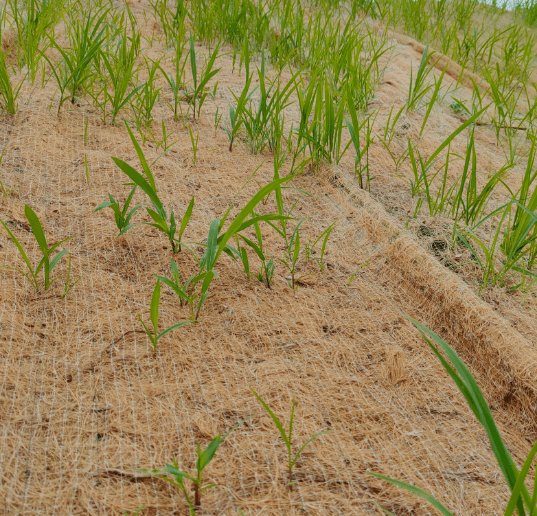

5 Commercial Uses of Coir Geotextiles That Go Beyond Basic Erosion Control
Commercial Uses of Coir Geotextiles That Go Beyond Basic Erosion Control
Coir Geotextiles are often introduced as erosion-control materials, and that is true as far as it goes. But for many project planners, contractors, growers, and land managers, that definition is too small. These natural fiber mats do more than sit on exposed ground. They help hold soil in place, slow surface runoff, support early vegetation, and bring a practical natural layer to restoration work where bare slopes can fail fast.
That wider role matters now more than ever. Land restoration projects, roadside embankments, canal edges, landscaping work, plantation development, and green infrastructure plans are under pressure to perform well without making maintenance harder. People want function, but they also want materials that make sense environmentally and operationally.
Coir has long been recognized as a versatile coconut fiber product, and the International Coconut Community notes that one of its major modern uses is as geotextile material.
Why natural erosion mats still matter
Synthetic materials do a job, sure. But many projects need something more grounded, literally and practically. A natural fiber layer that works with soil and plant establishment can be a better fit where the goal is recovery, not just surface cover.
That is why coir-based land stabilization materials continue to get attention in civil landscaping and ecological work. They are biodegradable, they support early plant establishment, and they help reduce surface movement while the site settles.
In places with seasonal rain, exposed banks, or disturbed soil, a mat that helps the land breathe while still staying in place can make a meaningful difference.
Not just for slopes
- Embankment protection
This is the classic use, and for good reason. Roadsides, channels, construction edges, and cut slopes often need temporary surface support until vegetation takes hold. Coir mesh helps reduce splash erosion and slows the movement of loose topsoil.
- Canal and waterway edges
Water margins are tricky. A material may need to hold shape while allowing plant growth and gradual site recovery. In these settings, a natural coir system can support both structural calm and ecological integration.
- Landscaping and urban green work
Not every geotextile use happens on a dramatic hillside. Some happen in parks, median strips, commercial landscapes, and garden structures where root establishment and tidy ground cover matter just as much as technical erosion control.
- Plantation and farm-side stabilization
Growers with sloped areas, drain banks, or exposed irrigation channels sometimes need more than mulch. A coir-based protection layer can help create a more stable surface while vegetation develops. That is one reason farms already working with Coco Peat Grow Bags or crop-specific formats such as Grow Bags for Strawberry often also look at fiber products from the same supplier.
- Restoration projects that need a natural look and feel
This point gets underestimated. Some projects do not want black synthetic netting visible for months. They want a material that looks organic on the ground and settles into the landscape more naturally.
What makes coir a smart fit here?
According to the International Coconut Community, coir comes from the husk of the coconut and has several end uses across industrial and land-based applications, including geotextiles. That matters because the fiber is tough enough for field use yet natural enough to fit restoration programs where biodegradability is part of the plan.
There is also the texture. Coir fiber creates grip. On sloped soil, that surface grip helps reduce movement of loose particles. At the same time, the open structure can support seed contact and early vegetation growth.
That mix of hold and openness is why engineers, landscapers, and environmental planners keep coming back to it.
What buyers should check before ordering
Fiber strength and weave pattern
A coarse, strong structure is usually needed for more demanding sites. Lighter applications may use a different weave. The product should match the project, not just the brochure.
Roll size and installation practicality
Let me explain. A technically good product can still waste labor if the roll size is awkward, the packaging is poor, or the material tears too easily during placement. Installation time matters. So does field handling.
Export readiness and consistency
This is especially important for overseas buyers. A supplier may have a nice sample, but the real question is whether full orders arrive with the same standard.
Sri Lanka remains an important source of coconut fiber and related products, and its export ecosystem gives international buyers access to established coir manufacturers and suppliers.
For buyers looking for category-specific sourcing, Coir Geo Textiles is a relevant starting point, especially when the requirement goes beyond a general coir inquiry.
Where geotextiles connect with horticulture, strangely enough
At first glance, geotextiles and greenhouse media seem like different worlds. They are, but only partly.
Both categories depend on the same basic truth: coconut husk can be processed into materials that solve very physical problems. In one case, the problem is root-zone balance. In the other, it is soil movement and surface instability.
That shared raw material is part of what makes coir so commercially interesting. One customer may come for slope control, another for open top planter Bags, and another for bulk media. The product range feels broad, but the material logic is connected.
For general background on the raw material itself, coir and coconut-based products are useful references when explaining the agricultural and industrial value chain to procurement teams.
Why contractors and land managers like practical materials
No one on site wants romance. They want materials that arrive on time, roll out properly, stay where they are placed, and support the work instead of complicating it.
That is why coir geotextile demand tends to stay steady. It solves a real problem in a straightforward way.
I have seen this preference reflected again and again in how buyers speak. They do not usually say, “We want the most exciting erosion-control product.” They say things like, “We need something that will hold the bank, help the seed, and not create another problem.” That tells you everything.
A useful fit for international buyers
Buyers in Japan, South Korea, Canada, the Netherlands, the USA, Mexico, Russia, and Dubai are often managing projects where durability and installation practicality matter just as much as material origin. They want product clarity, not vague marketing.
So the questions become simple:
- Does the weave suit the site?
- Will it handle the slope?
- Can it support vegetation?
- Will the shipment be consistent?
- Is the supplier experienced with export paperwork and packaging?
Those are smart questions, and natural fiber suppliers should be ready to answer them clearly.
Coir Geotextiles are not just erosion-control sheets. They are working surfaces for land recovery, slope stabilization, and vegetation support. They help buy time for the soil. And sometimes, that is exactly what a project needs.
They also carry something many buyers now appreciate: a natural material story that is still rooted in practical performance.
FAQs
- What are Coir Geotextiles used for?
They are used for erosion control, slope stabilization, canal-bank protection, landscaping, and vegetation support on disturbed soil surfaces.
- Are coir erosion mats biodegradable?
Yes. Coir is a natural coconut fiber and breaks down over time, which makes it suitable for restoration projects where temporary support is needed.
- Do geotextile rolls help plant growth?
They can support seed hold, reduce soil loss, and create a more stable surface for early vegetation to establish.
- Are these products only for large civil projects?
No. They are also useful in landscaping, plantation areas, farm drains, garden slopes, and smaller rehabilitation work.
- What should import buyers check first?
Check fiber grade, weave pattern, roll dimensions, packaging, export handling, and whether the supplier can keep quality steady across larger shipments.
