



 +94 (0) 31 228 1114
  info@cocopeatcoirmulch.com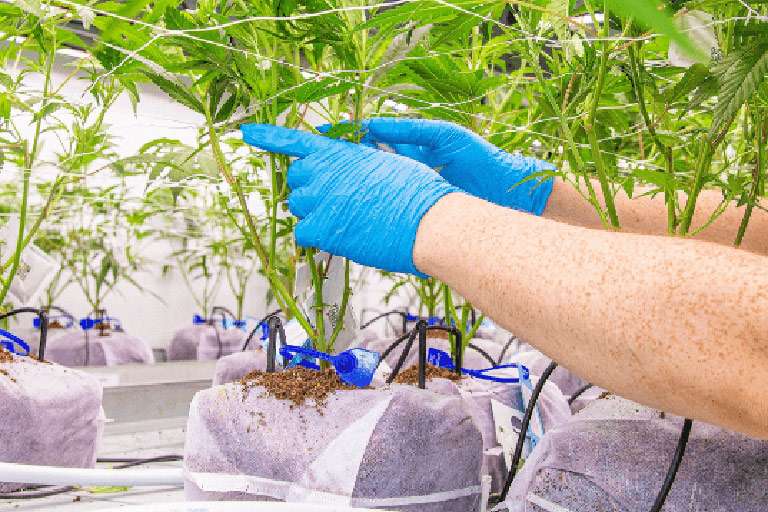

6 Practical Lessons Commercial Growers Learn From Cocopeat Grow Cubes for greenhouse
Cocopeat Grow Cubes for greenhouse rarely get the spotlight. They sit quietly under seedlings, absorb water, and disappear into larger systems. Yet experienced greenhouse growers—from Japan to Canada—know something others miss: early root behavior sets the ceiling for the entire crop. Once roots choose a direction, you can’t really negotiate with them later. Let’s talk about what growers learn after using cubes season after season.
First Impressions Matter—Even for Roots
You know what? Plants notice things faster than people do. When a cube hydrates unevenly, roots hesitate. When EC spikes early, seedlings slow down. These early signals might look minor, but commercial growers growing tomatoes or cucumbers under tight schedules feel the consequences weeks later. That’s why many operations treat cubes not as accessories, but as the first checkpoint in their greenhouse tomato growing media system. A balanced cube helps seedlings settle fast, allowing smooth transfer into larger containers like Coco Peat Grow Bags without transplant shock.

Uniformity Isn’t About Looks
Cubes can look identical and still behave differently. The real test shows up during irrigation. Good cubes absorb water evenly, release it slowly, and maintain oxygen pockets near the root crown. Poor ones either flood or dry out in patches. Commercial leafy green and herb growers in the Netherlands often run side-by-side trials. Same nutrients. Same climate. Different cubes. The yield gap surprises newcomers every time. That’s why growers working with dependable Cocopeat Grow bag Exporters usually expect the same discipline in cube processing—washing cycles, buffering depth, and compression balance all matter.
Cocopeat Grow Cubes and Root Discipline
A slightly denser cube slows vertical root drop and encourages lateral spread. That’s not a flaw—it’s a design choice. For crops like capsicum or bell pepper, lateral root strength helps plants anchor better once transferred into open systems such as open top planter Bags. Growers notice fewer stability issues later, especially in tall greenhouse setups. This is one of those mild contradictions. Less “loose” media early can mean stronger growth later. It feels backward, until you see it working.
Coco Chips Enter the Picture Earlier Than You Think
Some growers mix fine coco chips directly under cubes. Why? Air. Oxygen. Temperature moderation. Well-graded chips prevent moisture from lingering too long beneath the cube, reducing disease pressure during humid months. This approach is common among berry and cucumber growers sourcing from experienced Coco chips exporters, particularly in regions with fluctuating day–night humidity.
The effectiveness of chips ties back to fiber origin and processing. Sri Lanka’s long-standing coir industry explains part of this consistency. Even understanding the base material—like how coir behaves under compression—helps explain why some cubes stay stable longer than others.
Buffering Is Quiet, But It Decides Everything
Growers rarely see buffering. They feel it. When calcium and magnesium exchange isn’t handled properly, plants show signs fast—leaf curl, uneven growth, nutrient lockout. By the time visual symptoms appear, correction costs time and yield.
Professional growers often ask for buffering data before even discussing price. Many prefer starting cubes paired with compressed Coco peat Bale from the same source, reducing variability across the system.
Where the Cube Comes From Still Matters
Cubes produced close to coconut plantations retain fiber elasticity. Less storage. Less breakdown. Less dust. Sri Lanka’s role as a major producer isn’t accidental. As one of the established Coir-based Product Exporters in Sri Lanka, manufacturers benefit from proximity, experience, and export discipline rather than quick turnover.
For growers curious about raw material maturity, even basic reading on the coconut itself offers insight into why husk age affects cube behavior months later.
Frequently Asked Questions
- Are cocopeat grow cubes suitable for large-scale greenhouses?
Yes. They’re widely used for tomatoes, cucumbers, leafy greens, and berries due to predictable hydration and root control.
- How long should cocopeat grow cubes be soaked?
Most growers hydrate until full expansion, usually within minutes, ensuring even moisture before planting.
- Can cocopeat grow cubes be reused?
In commercial systems, reuse is rare due to disease risk and structure breakdown after one cycle.
- Do cocopeat grow cubes need buffering?
Absolutely. Proper buffering prevents nutrient imbalance and protects young roots during early growth.
- How do cubes fit into a full cocopeat system?
They act as the starting point, transitioning smoothly into grow bags, open planters, or slab systems.
