



 +94 (0) 31 228 1114
  info@cocopeatcoirmulch.com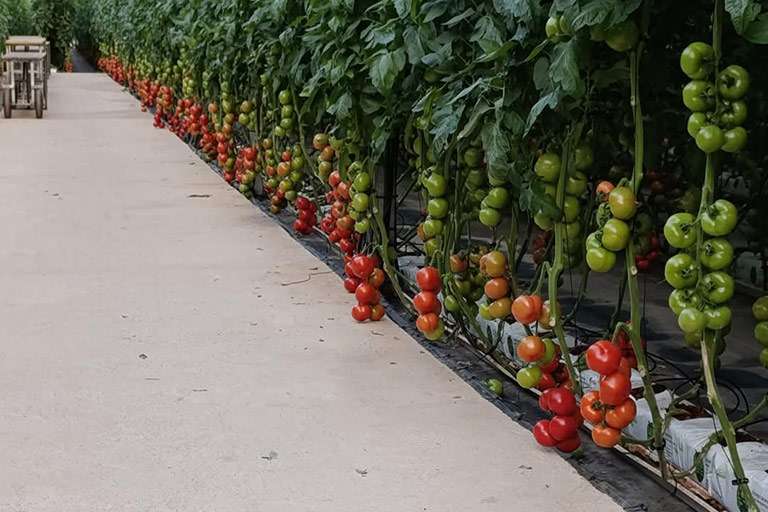

7 Realities Greenhouse Growers Learn When Working With Cocopeat Grow Bag Exporters
How to find Cocopeat Grow bag Exporters?
Cocopeat Grow bag Exporters often look identical on paper. Same specs. Same product photos. Same promises. But growers running commercial greenhouses in South Korea, Japan, the USA, or the Netherlands quickly realize something else—performance only reveals itself once roots settle in and the crop cycle stretches on. Here’s the thing. Growing tomatoes, bell peppers, or berries under controlled conditions doesn’t leave room for surprises. Media behavior matters. Water movement matters. And consistency, honestly, becomes everything. Let me explain what experienced growers notice after a few seasons.
Not All Cocopeat Reacts the Same Under Pressure
At first glance, cocopeat seems forgiving. It holds water. It drains well. Roots look happy. But fast forward three months into a tomato cycle, and differences show up. Some cocopeat compresses too early. Some dries unevenly near the surface. Others release potassium faster than expected, nudging EC upward when plants are most sensitive. This is where greenhouse tomato growing media stops being a generic term and starts becoming a system component.
Growers using structured Coco Peat Grow Bags notice more predictable moisture zones, especially during peak transpiration periods. That stability matters when irrigation schedules tighten and margins shrink. If you’re curious how tailored bags behave in long tomato runs, these grow bags for tomato show how depth, density, and drainage play together without fighting the crop.
Grow Cubes Feel Small—Until Roots Prove Otherwise
Why Cocopeat Grow Cubes Matter More Than You Expect
Cocopeat Grow Cubes often get dismissed as “starter media.” That’s a mild misunderstanding. In reality, cube structure sets the tone for the entire crop. Root direction, early oxygen access, and uniform hydration all begin here. A well-made cube encourages roots to spread instead of spiraling. A poorly buffered one slows the plant before it even gets going.
Commercial cucumber and leafy green growers in Japan often prefer cubes that hydrate evenly within seconds—not minutes. That initial soak tells you plenty about fiber balance and compression quality. Once seedlings transition into open systems like open top planter Bags, that early root discipline pays off. Plants adapt faster. Stress stays lower. Crops stay predictable.
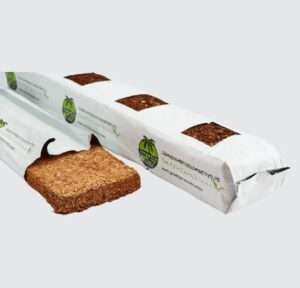
Coco Chips Aren’t Just Fillers
Many growers underestimate coco chips. They shouldn’t.
Used correctly, chips increase airflow and reduce water stagnation—especially useful in humid climates like Dubai or coastal Mexico. But not all chips behave the same.
Low-quality chips break down quickly, clogging root zones. Well-processed material keeps its shape for months, even under heavy fertigation.
That’s why professional Coco chips exporters focus heavily on grading and washing cycles. It’s not glamorous work, but growers notice when oxygen stays consistent deep in the root zone.
This is where Sri Lanka’s coir heritage quietly shows its value. Coconut husk processing has evolved over generations, and that history still shapes today’s exports. For broader context, the raw material itself is worth understanding—this background on coir explains why fiber structure varies by origin.
Consistency Beats One-Time Quality
Here’s a mild contradiction. A single shipment can look perfect and still cause trouble later. Commercial growers don’t just buy once. They import repeatedly. And subtle shifts—slightly higher EC, marginally shorter fibers—compound over time. Suppliers who manage compression ratios and washing cycles tightly tend to perform better across seasons. Growers running mixed crops—melons, capsicum, berries—value this more than low pricing. Products like compressed Coco peat Bale often support custom blending, giving growers more control without rebuilding their entire system.
The Exporter’s Location Quietly Shapes the Product
Climate matters. So does raw material freshness. Exporters operating close to coconut plantations reduce storage time. Shorter storage preserves fiber elasticity and reduces dust formation. That translates to better water movement once hydrated. Sri Lanka remains a central player in this space, not by accident. The country’s role as one of the leading Coir-based Product Exporters in Sri Lanka stems from proximity, process discipline, and export experience—not branding noise. For growers sourcing internationally, understanding the coconut itself helps too. Even a quick read on coconut gives insight into why maturity stage affects coir behavior later.
Greenhouse Crops React Faster Than We Like to Admit
Tomatoes forgive little. Bell peppers remember stress. Leafy greens respond overnight.
When growing media shifts—even slightly—plants react before spreadsheets do. That’s why experienced growers don’t chase trends. They stick with exporters who deliver predictable media behavior cycle after cycle.
Sometimes that means fewer claims. Sometimes it means quieter marketing. But the crops tell the truth.
Frequently Asked Questions
- How do greenhouse growers choose cocopeat grow bag exporters?
They look beyond appearance. Repeat consistency, EC stability, and water behavior over long crop cycles matter more than first impressions.
- Are cocopeat grow cubes suitable for commercial production?
Yes. Especially for seedlings and transplants. Root discipline established early influences performance later in grow bags or slabs.
- Why do some coco chips break down faster than others?
Processing quality. Poorly washed or immature husk material decomposes faster, reducing airflow in the root zone.
- Is cocopeat suitable for crops beyond tomatoes?
Absolutely. Capsicum, cucumbers, berries, melons, and leafy greens all perform well when media density matches crop needs.
- Does origin really affect cocopeat performance?
It does. Climate, husk maturity, and processing proximity influence fiber resilience and long-term behavior under fertigation.
